School Life
Junior Years – Years 4, 5 & 6
Home » School Life » Junior Years – Years 4, 5 & 6
The Junior Years at More House School provide a nurturing, structured and empowering foundation for pupils, supporting academic growth, and the development of confidence, resilience and independence through adaptive teaching and strong pastoral care.
Pastoral support is woven into every aspect of school life. We empower pupils to become confident learners, understanding how they learn best and building the skills to advocate for their needs. These foundations are essential in preparing them for their progression into Year 7 and beyond, where they will be ready to access learning with greater independence and maturity.
Junior Years curriculum
We offer a broad and carefully adapted curriculum, designed to motivate, inspire and challenge, while building on pupils’ strengths and addressing their individual needs.
Core subjects (English, Mathematics and Project) are not timetabled into sets according to traditional academic aptitude, but are grouped according to their ability to access the language demands of the classroom. This approach allows every boy to make academic progress and learn in a classroom that meets their language needs. Core lessons are delivered by our specialist Junior Years teachers in Gard’ner House, our dedicated Junior Years building.
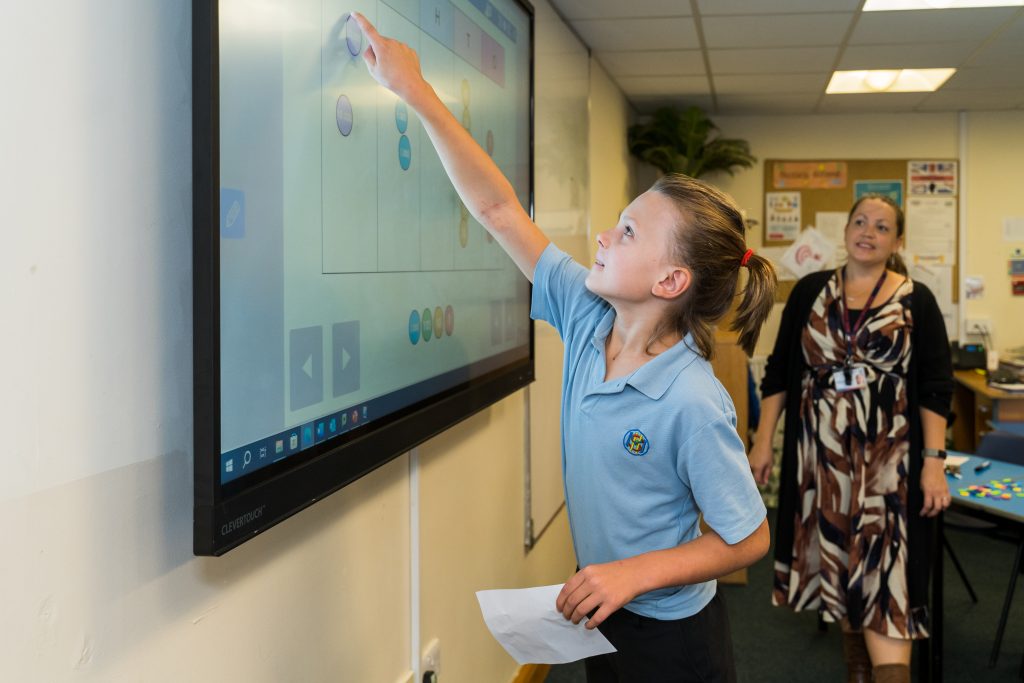
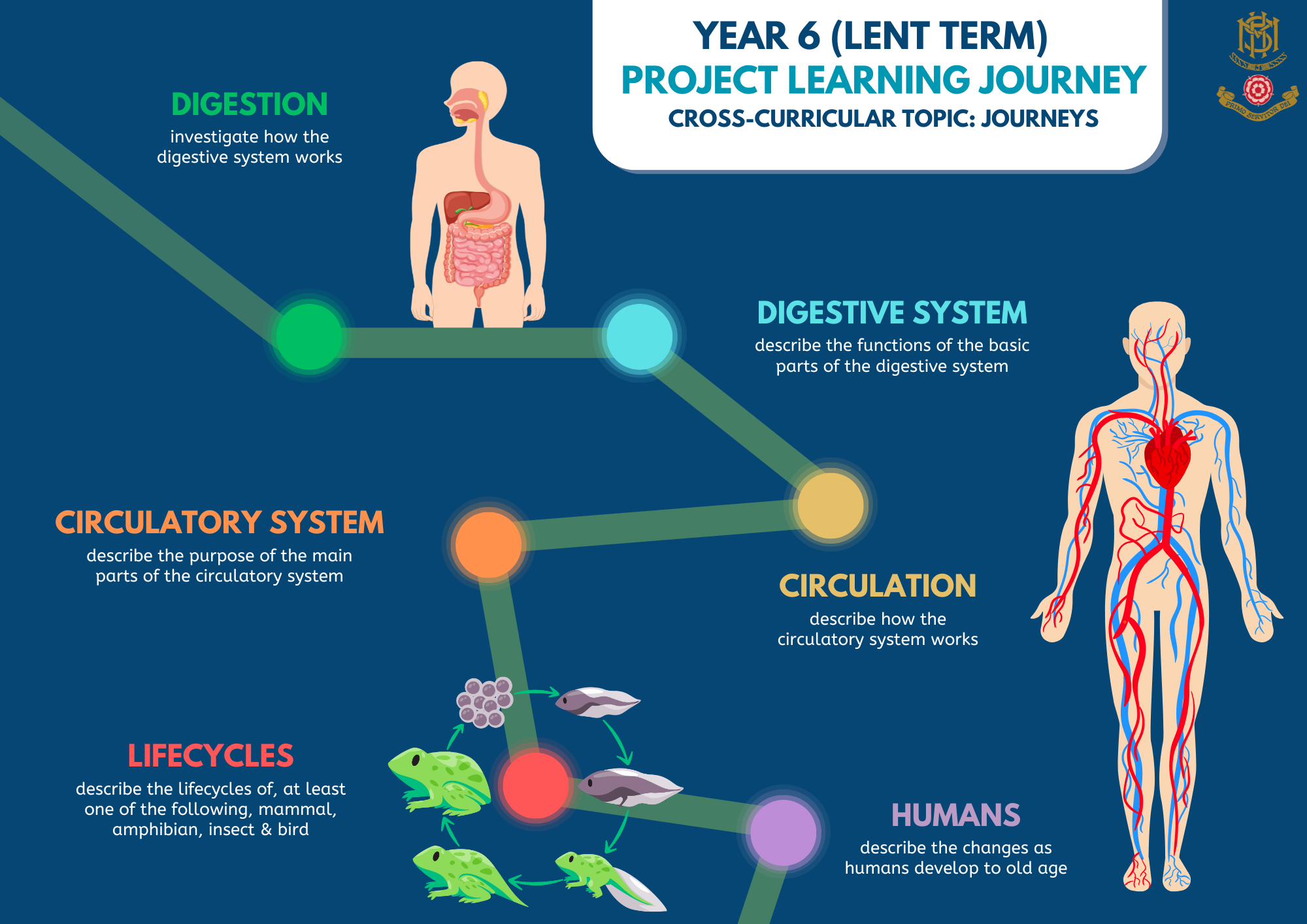
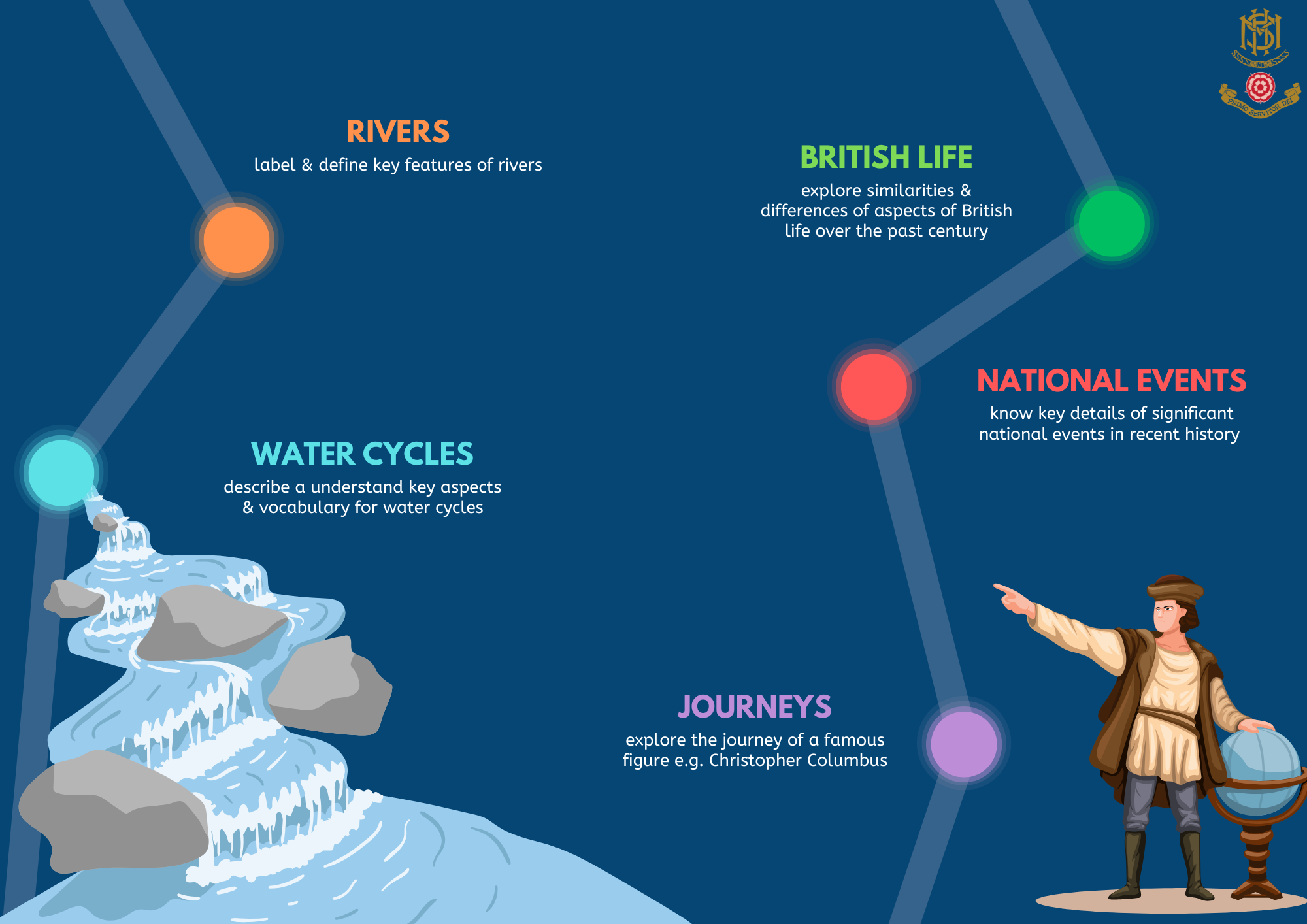
Project lessons link the sciences and the humanities under a shared theme, supporting cross-curricular links and embedding the vocabulary and language demands across subjects. At the end of each term, parents are invited to watch their sons present their learning in celebratory Project Assemblies.
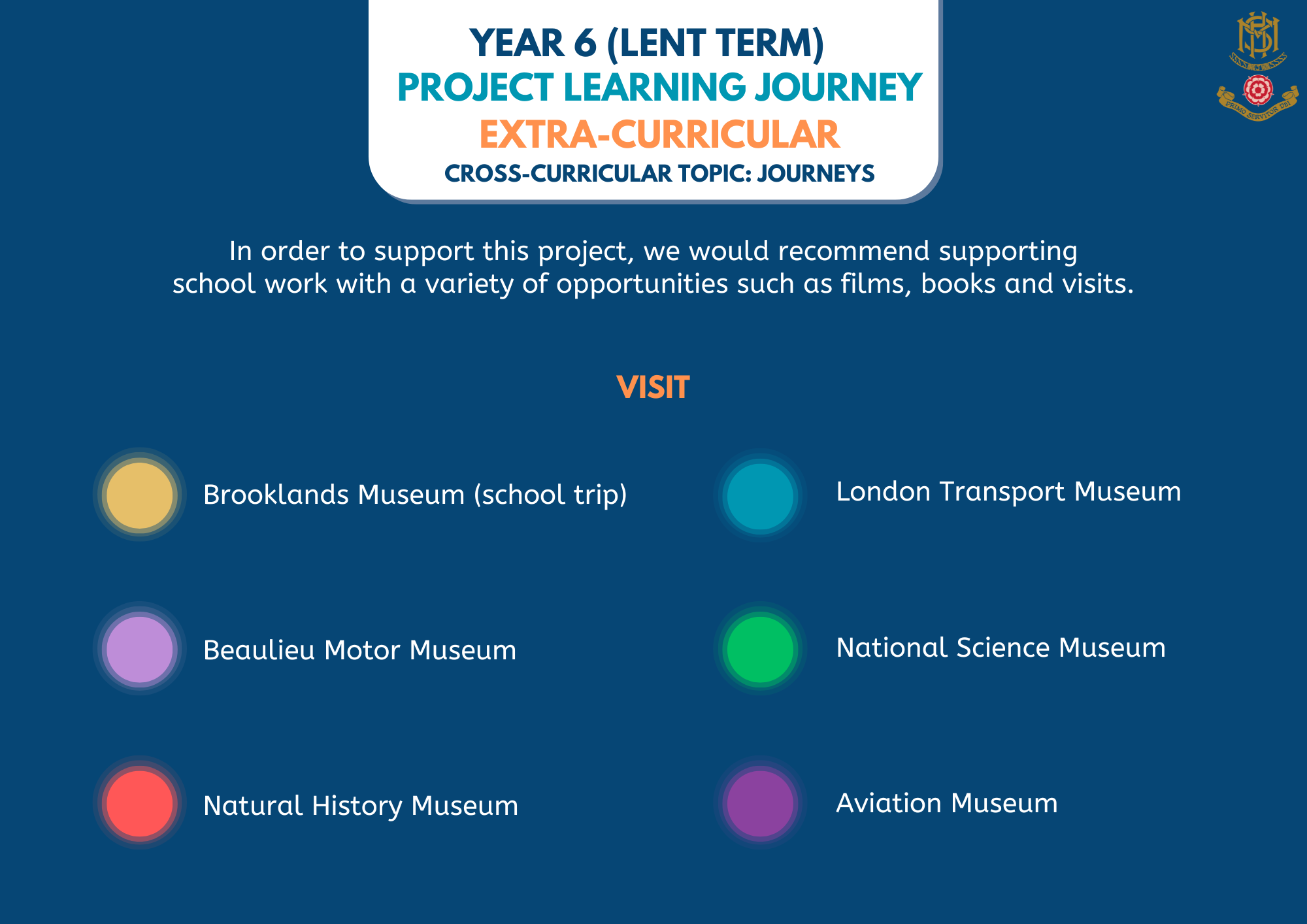
Learning journeys and vocabulary lists are shared with parents each term to help families reinforce learning at home, and usually include recommended books, shows and outings to bring each topic to life.
Non-core subjects including Art, Computer Science, Music, Religious Studies, and Technology are timetabled as part of a rotating carousel, with pupils grouped differently from their Core subjects. This encourages students to socialise and learn alongside a wider range of peers, helping to develop social confidence, friendships and build a strong sense of community across the year group. Carousel lessons take place in specialist classrooms outside of Gard’ner House, including in our Sports centre, Bradbury School of Music and Bradbury School of Engineering. These subjects are taught by subject specialist teachers, giving pupils the benefit of expert instruction and gradually preparing them for the transition into Year 7, where lessons take place across the full school site.
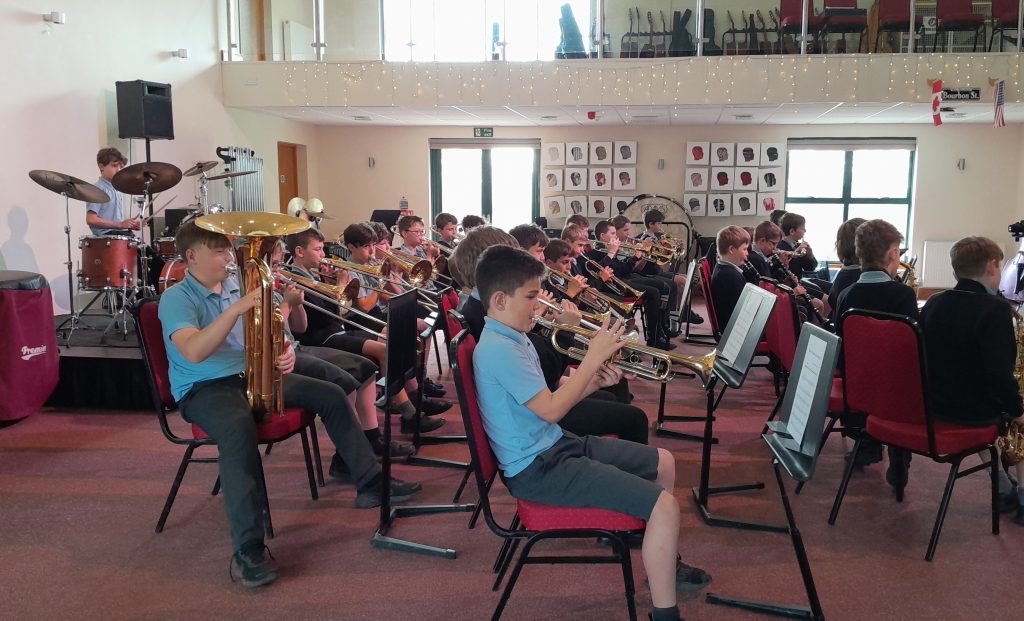
One unique aspect of life in the Junior Years is our Junior Band initiative. Every pupil is loaned a musical instrument to practise. Whether they are picking up an instrument for the first time or already have some musical experience, we witness so many uncover their natural talent. It is hoped that this will encourage pupils to develop ownership over their musical education and progress, as well as their organisational and teamwork skills. So often, the boys find a passion for music and become inspiring, creative musicians.
Learning is further enriched through our ‘Flexi Friday’ programme. Every other Friday, our timetable flexes to offer practical, immersive learning opportunities focused on a specific topic or theme. Recent experiences include:
- Career Talks – from a variety of roles including paramedics and those in the police and fire services
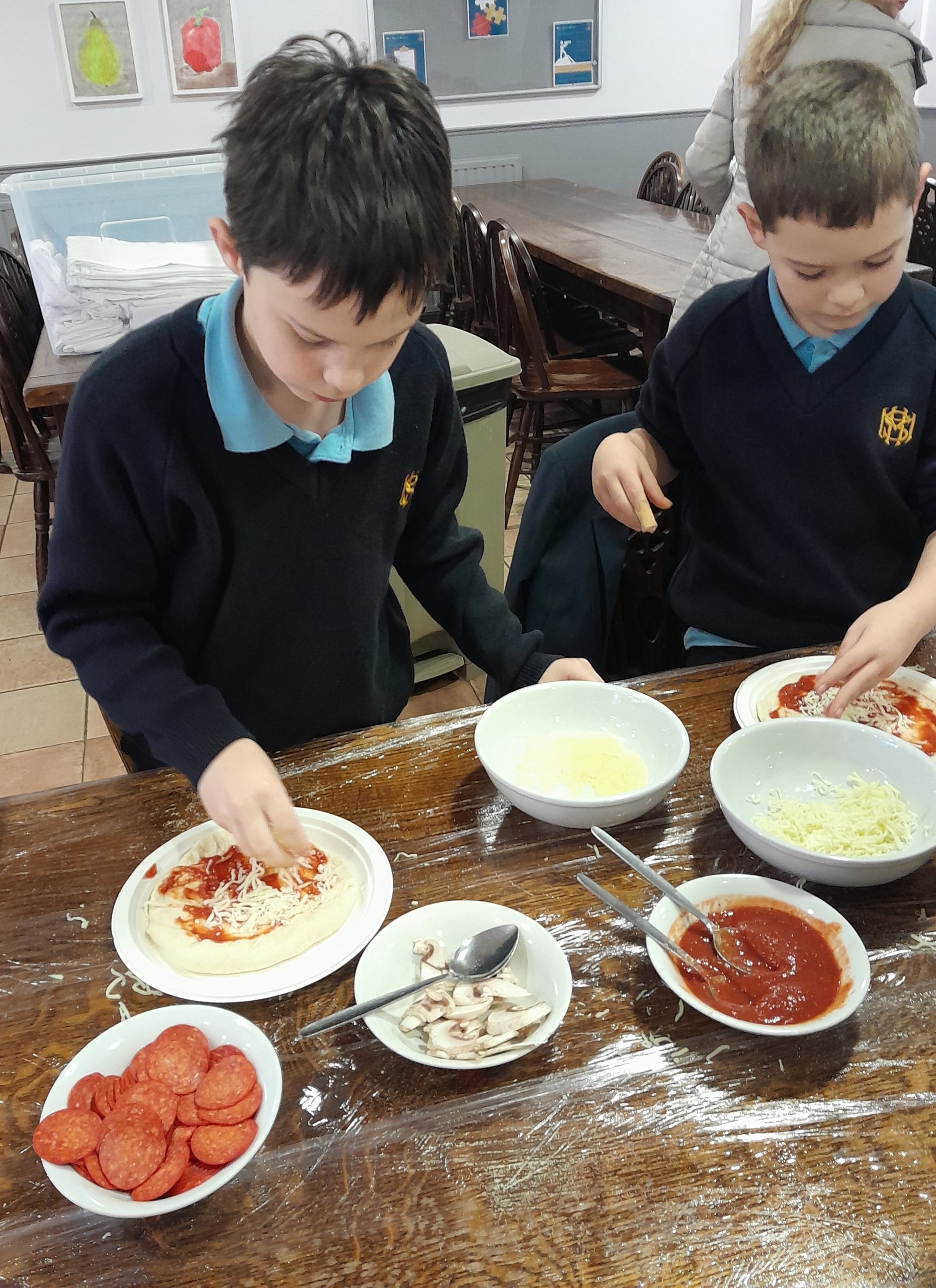
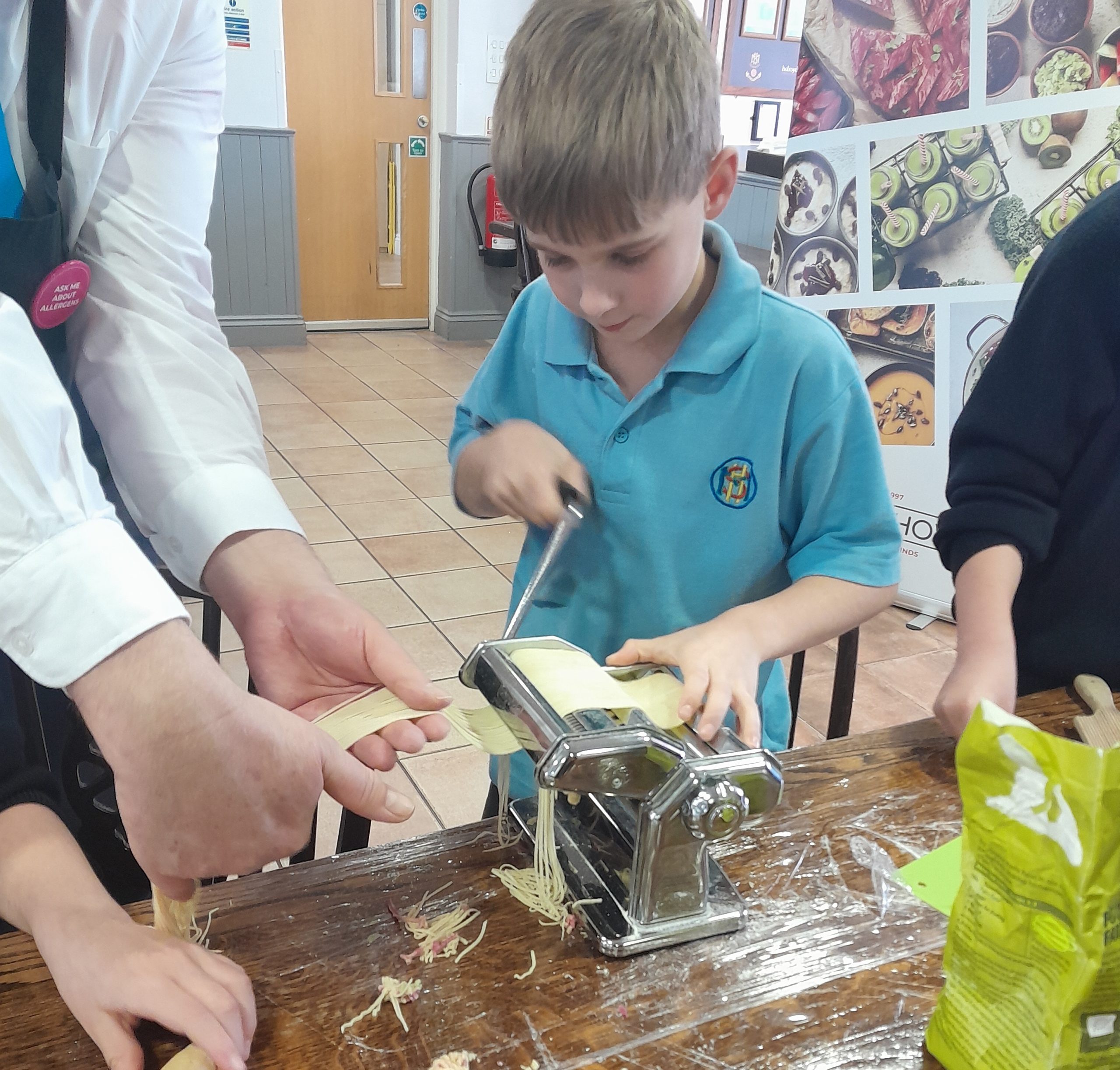
- Life Skills – cooking and baking with our school catering team, including the ever-popular pasta, pizza and sushi masterclasses
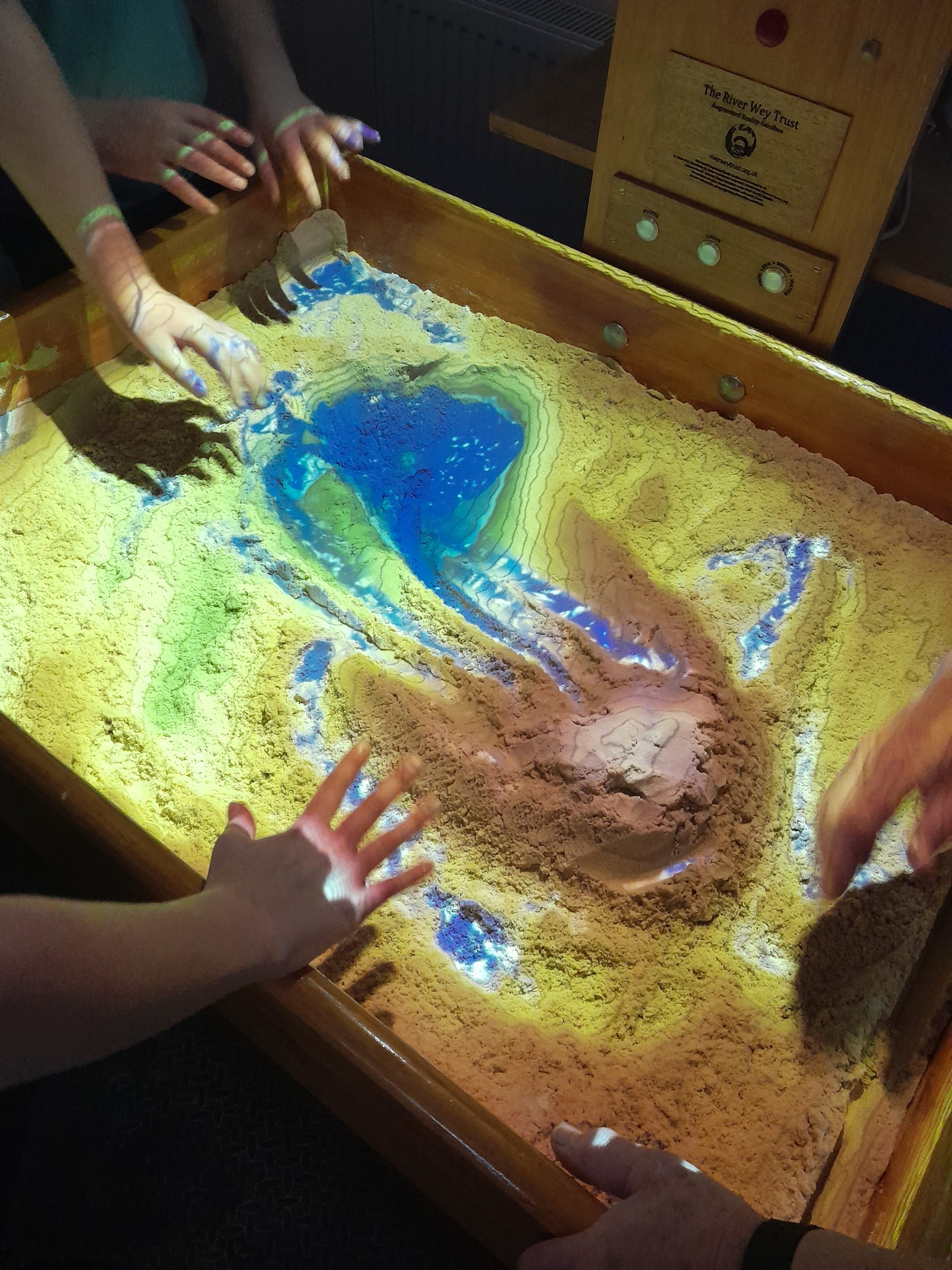
- Augmented Reality workshops linked to Project topics – rivers and water cycles brought to life through a virtual reality sandbox
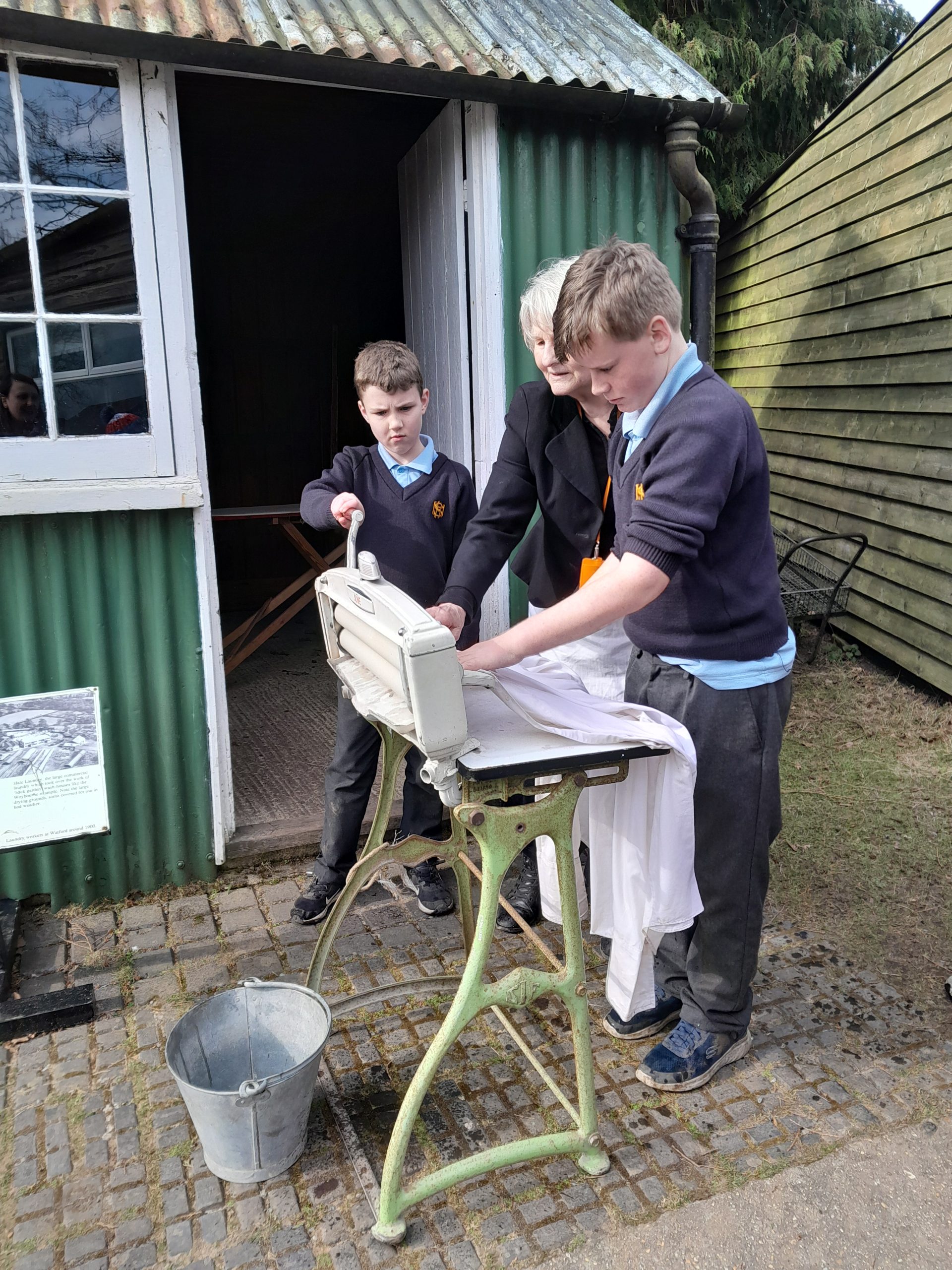
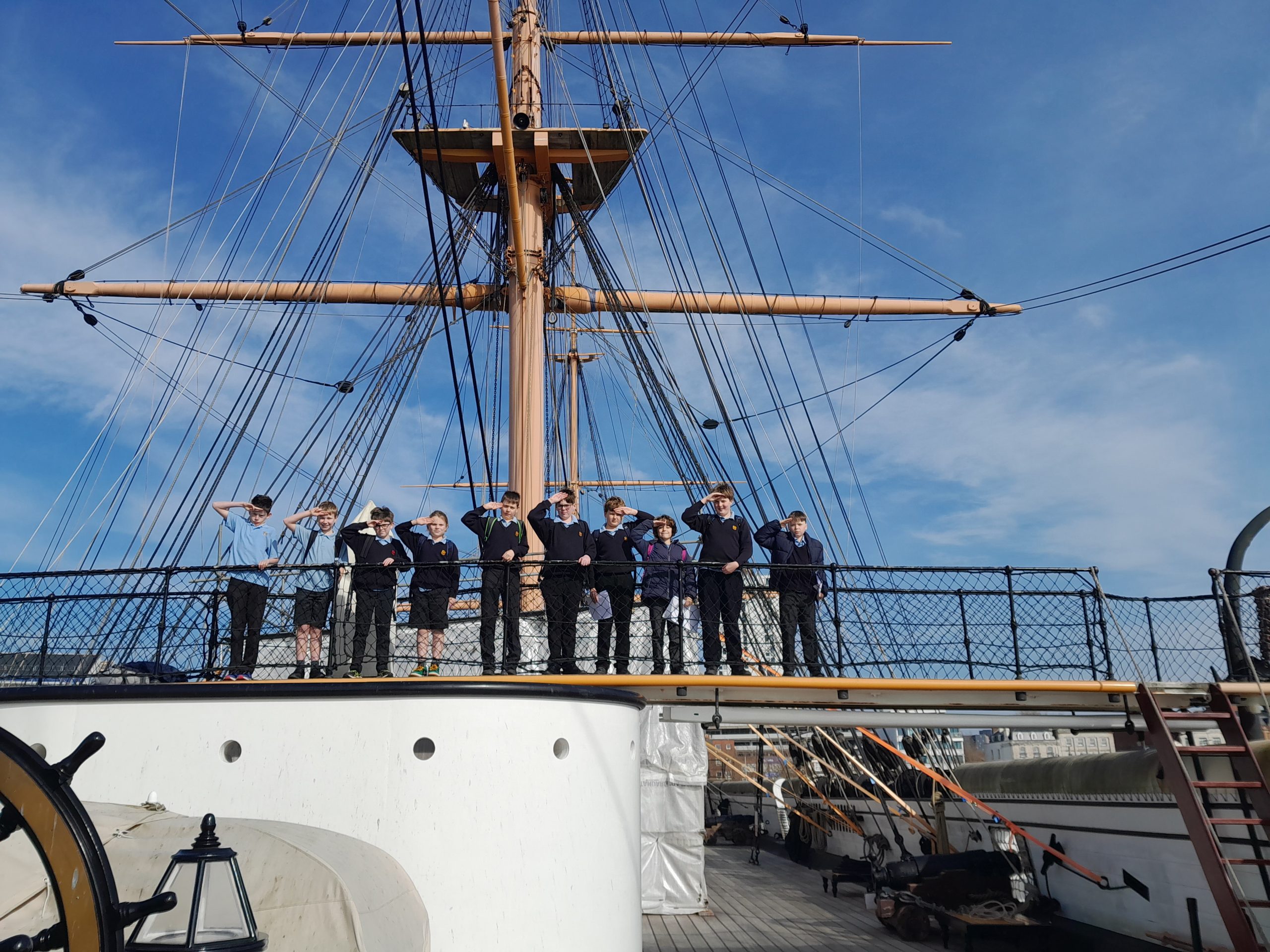
- Day trips – Rural Life Museum, Portsmouth Historic Dockyard, and more!
Learning environment and specialist support
To empower pupils as active participants in their learning, our teachers work closely with the Learning Development Centre (LDC), ensuring a cohesive approach where classroom strategies and specialist support work hand-in-hand. Speech and Language Therapists often join lessons to help embed vocabulary and language.
To learn more about our therapeutic support, visit Our Specialist Approach.
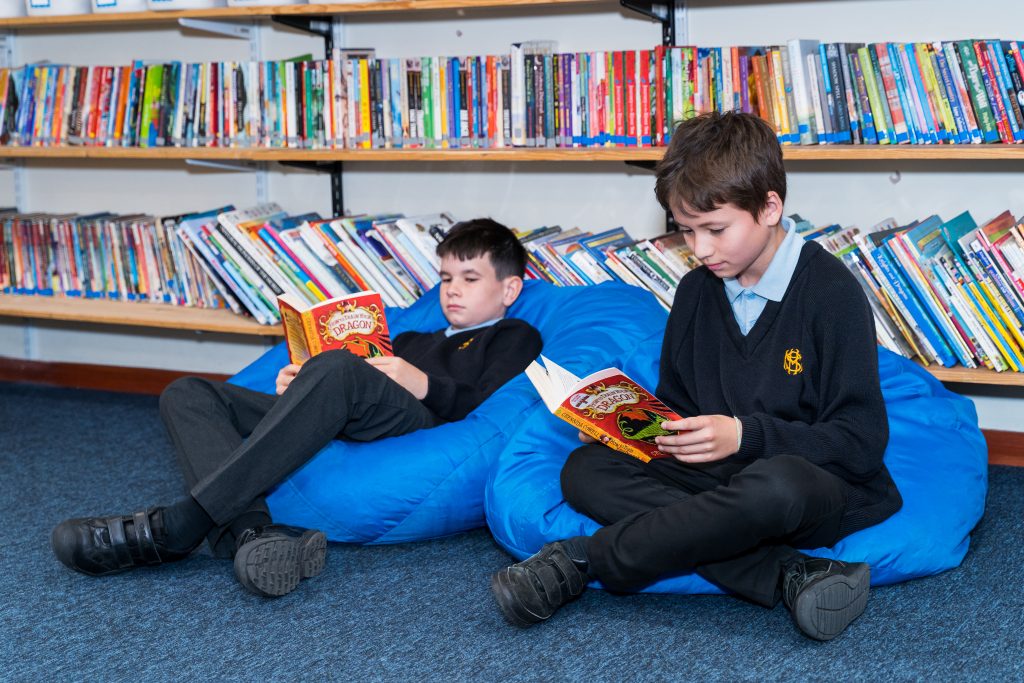
We understand that the learning environment is vital to pupils’ success. Gard’ner House comprises five main classrooms, a dedicated computer space and a larger hall/classroom. All are equipped with a range of resources to support focus and engagement, particularly for attention and listening. It’s common to see wobble stools and cushions, beanbags, TheraBands, and other adjustable seating options in use. Pupils are guided to explore which approaches work best for them—whether that means working at a desk, standing at a raised surface, or sitting on the floor. Our flexible, responsive approach helps pupils recognise their individual needs and feel confident in requesting the tools and arrangements that support them best.
Pastoral
In the Junior Years, we recognise the benefits of having strong links between the curriculum and pastoral support. Where possible, Core subject teachers are the pupils’ Form Tutors, or work closely with them, ensuring smooth communication between curriculum and pastoral staff, and with parents, and allowing staff to play an integral role in each pupil’s success. When a pupil joins More House, they are welcomed into a form group thoughtfully matched to complement their strengths and learning style. This early consideration helps ensure that each boy can settle quickly and begin building meaningful connections with staff and peers.
Pupils learn to adopt Weekly Challenges—small, achievable steps on the journey towards annual therapeutic targets. All staff contribute actively to this process, supporting each boy’s progress and celebrating the successes along the way. All pupils also become a member of one of our four school houses, and housepoints are awarded individually to each child for good classwork and positive behaviour, and follow our ‘catch them being good’ approach in common areas.
Beyond the classroom
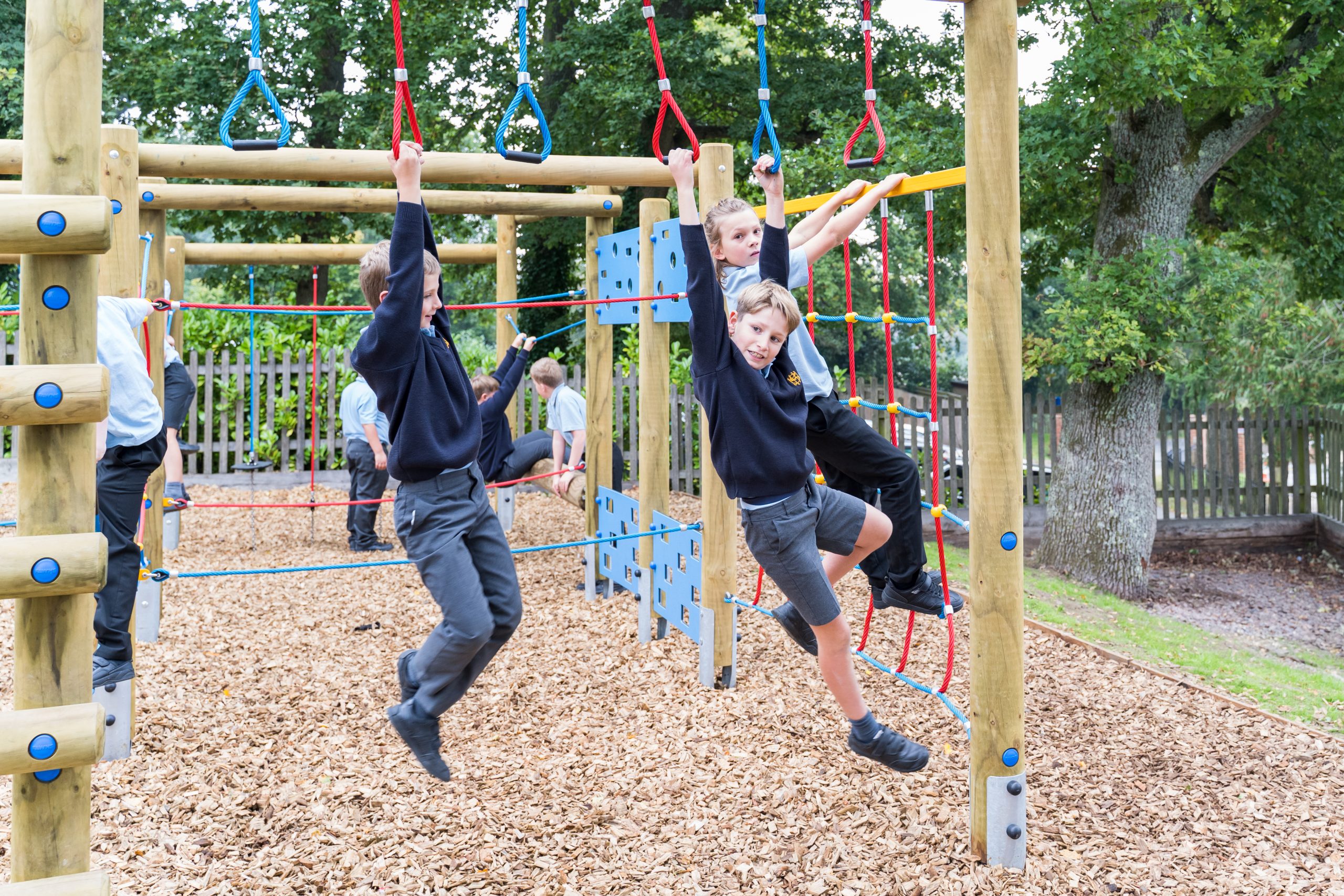
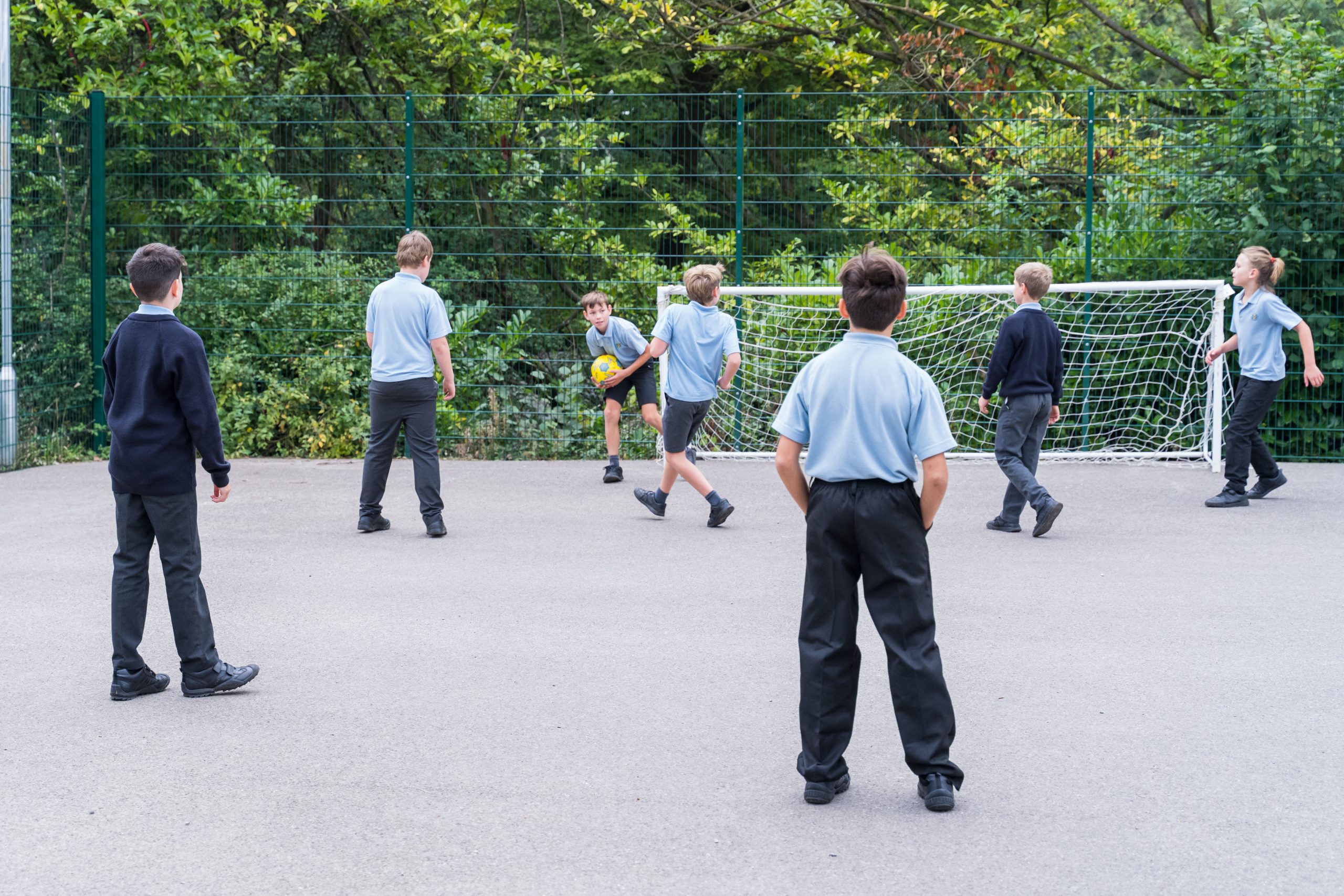
We recognise that break times and unstructured moments can be challenging for some of our pupils. A dedicated Junior pupils’ adventure play area and the presence of familiar staff on duty provide structure and reassurance. Lunchtime clubs, including typing, social skills and sports offer additional opportunities to engage in routine and structured social interaction. Staff actively support social interaction and conflict resolution, encouraging pupils to reflect on negative experiences and navigate tricky situations with growing independence. We understand that learning to play and interact effectively is a journey—particularly within our neurodiverse community.
After the school day, pupils enjoy a wide range of clubs including art, music, board games, sports, and the traditional prep (homework) club. To learn more, visit our Co-Curricular pages.
Each summer, Junior Years pupils have the opportunity take part in an exciting two-night residential trip as part of Activities Week. For many, this marks their first experience of staying away from home and it is fantastic to witness the resilience and sense of adventure they demonstrate. In 2025, Years 4 and 5 tackled outdoor pursuits at Marchant’s Hill, while Year 6 enjoyed land and water activities at Osmington Bay in Dorset.
Preparing for Year 7
As well as helping pupils become more familiar with the wider school site and specialist teaching staff through the structure and organisation of carousel subjects, we provide many additional opportunities to support a smooth transition into the senior school. Assemblies are regularly held with pupils up to Year 8 and led by members of the senior leadership team and wider teaching staff, building confidence and familiarity with older pupils and staff outside of Gard’ner House. Several Junior Years teachers also teach into Year 7, meaning many pupils will continue to see known faces in their lessons after moving on from Year 6.
In the summer (Trinity) term of Year 6, pupils take part in transition lessons in English, Mathematics and Science which allow them to experience the lesson structures and begin forming relationships with new teachers. Parents receive helpful communication and advice to support discussion and preparation at home. Throughout the Junior Years, staff work in close partnership with families—valuing parents as the experts on their child. These trusted relationships help ensure that support remains consistent and collaborative every step of the way.